
What Aluminum truss makes possible
Aluminum truss is known for a few obvious uses. Its potential goes much further than that. Talk to a Truss ExpertBeyond the Event Industry
When most people hear the words aluminum truss, they usually think of concerts, stages, or big lighting rigs.
That’s understandable.
Aluminum truss is everywhere in concert, live, and production events. Those are some of the most visible aluminum truss uses.
But that’s only part of the story.
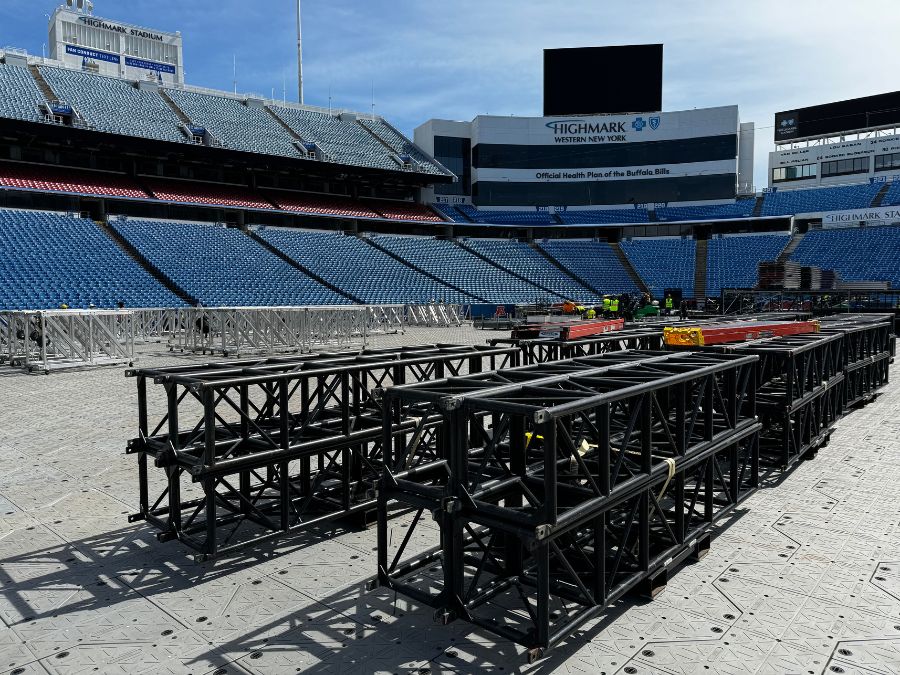
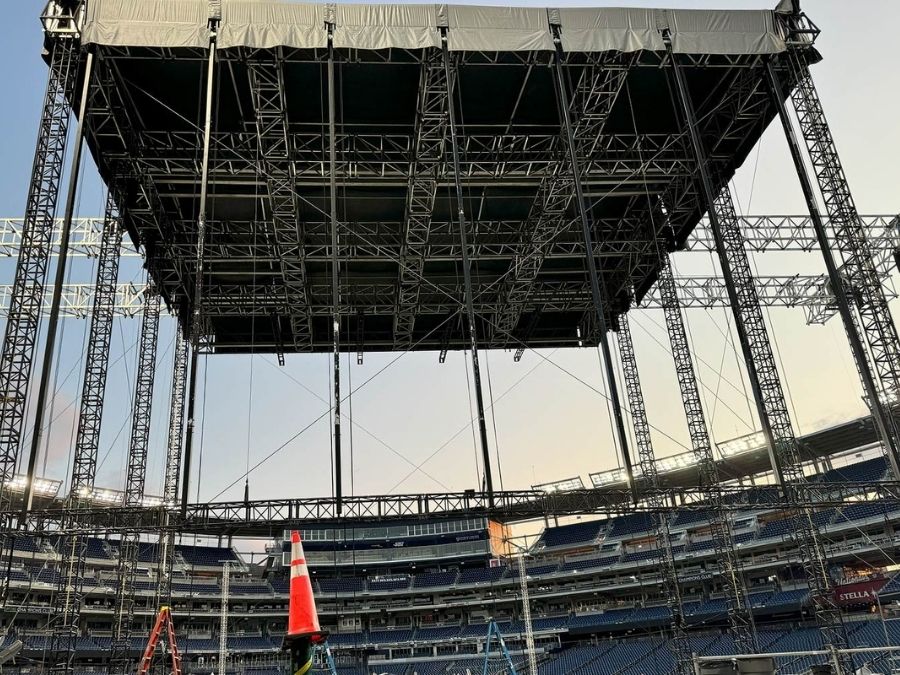
In reality, aluminum truss is a versatile structural system that can be used in far more ways than most people realize. Its unique geometric shape, open design, and modular nature make it useful anywhere you need strength, flexibility, and the ability to mount or hang equipment.
Once you understand what truss actually does, and why it’s designed the way it is, you start seeing new possibilities for it everywhere.
At Conder Truss, we work with aluminum truss every day in many types of environments.
That experience changes how we use it.
Why Truss Is Built the Way it Is
At its core, truss is a geometric structure.
The triangular shapes you see are not just for looks. They are what give truss its strength while keeping weight low.
Because of this geometry:
- Loads are distributed evenly
- The structure can stay rigid over long spans
- Strength comes from shape, not bulk
This is why aluminum truss can be lightweight but incredibly strong at the same time.
Just as important, that geometry creates open space. That open space is where truss really stands out.
When Steel Truss Is the Right Choice
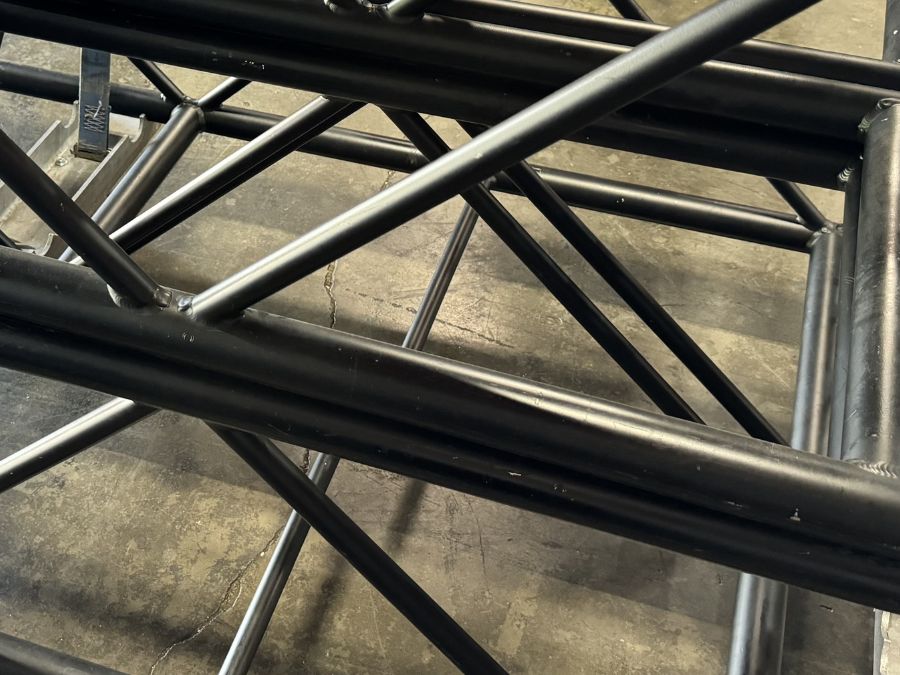
Aluminum truss offers exceptional strength-to-weight efficiency, but some applications call for a different structural solution.
For higher load requirements, longer spans, or permanent installations where added mass and rigidity are beneficial, steel truss is an important option to consider.
Steel provides increased structural capacity and durability in environments where portability is less critical and long-term performance is the priority.
Industrial builds, heavy grid systems, and certain architectural installations may benefit from steel’s inherent strength and stability.
At Conder Truss, both aluminum and steel truss systems are available. The goal is not to favor one material over another. It’s to engineer the right solution for your specific project requirements.
Built-In Space to Clamp, Rig, and Hang Equipment, Lighting, Décor, Devices, and More
One of the biggest advantages of aluminum truss is something people often overlook: space. Unlike solid beams or flat structures, truss has open chords and cross members that make it easy to:
Clamp Equipment
Rig Devices
Hang Lighting, Signage, Screens, or Devices
Route Cables Cleanly
Lighting designers love truss for this reason, but the same benefit applies to:
- Architectural features
- Retail displays
- Exhibits and trade show booths
- Motion control systems
- Camera rigs
- Industrial or technical installations
If your project involves things that need to be mounted, supported, or adjusted, aluminum truss gives you many options without custom fabrication every time
Capabilities People Often Overlook
Modular by Design
Aluminum truss is not a one-piece structure.
It’s modular.
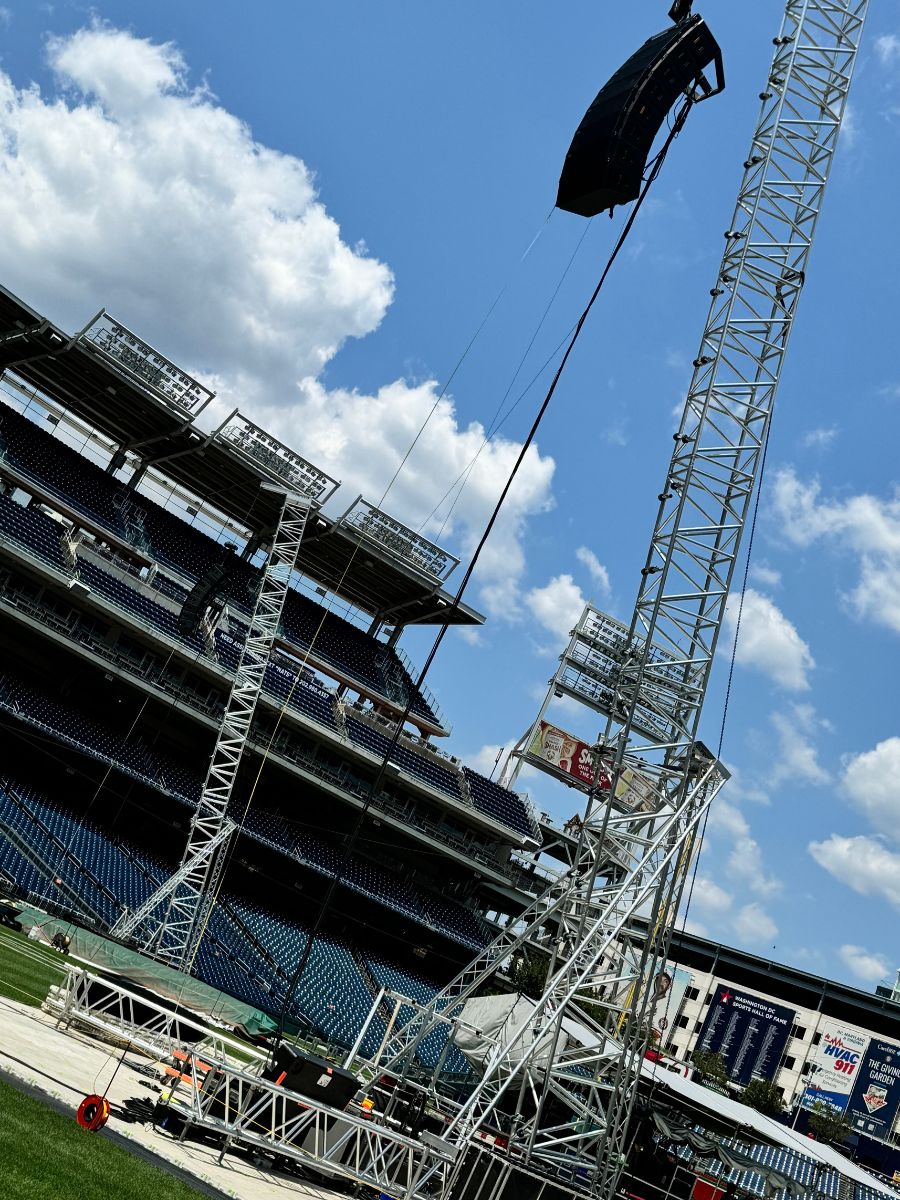
That means it’s built from standardized sections that connect together to create:
- Straight runs
- Corners
- Curves
- Towers
- Grids
- Frames
This modular design allows truss to:
- Easily scale up or down
- Be reconfigured in different ways
- Adapt to new layouts or spaces
- Build larger structures with a small team because of its strength-to-weight ratio
For many applications, this flexibility is just as valuable as strength.
Instead of committing to a single permanent structure, truss lets you build something that can evolve.
Lightweight Without Feeling Fragile
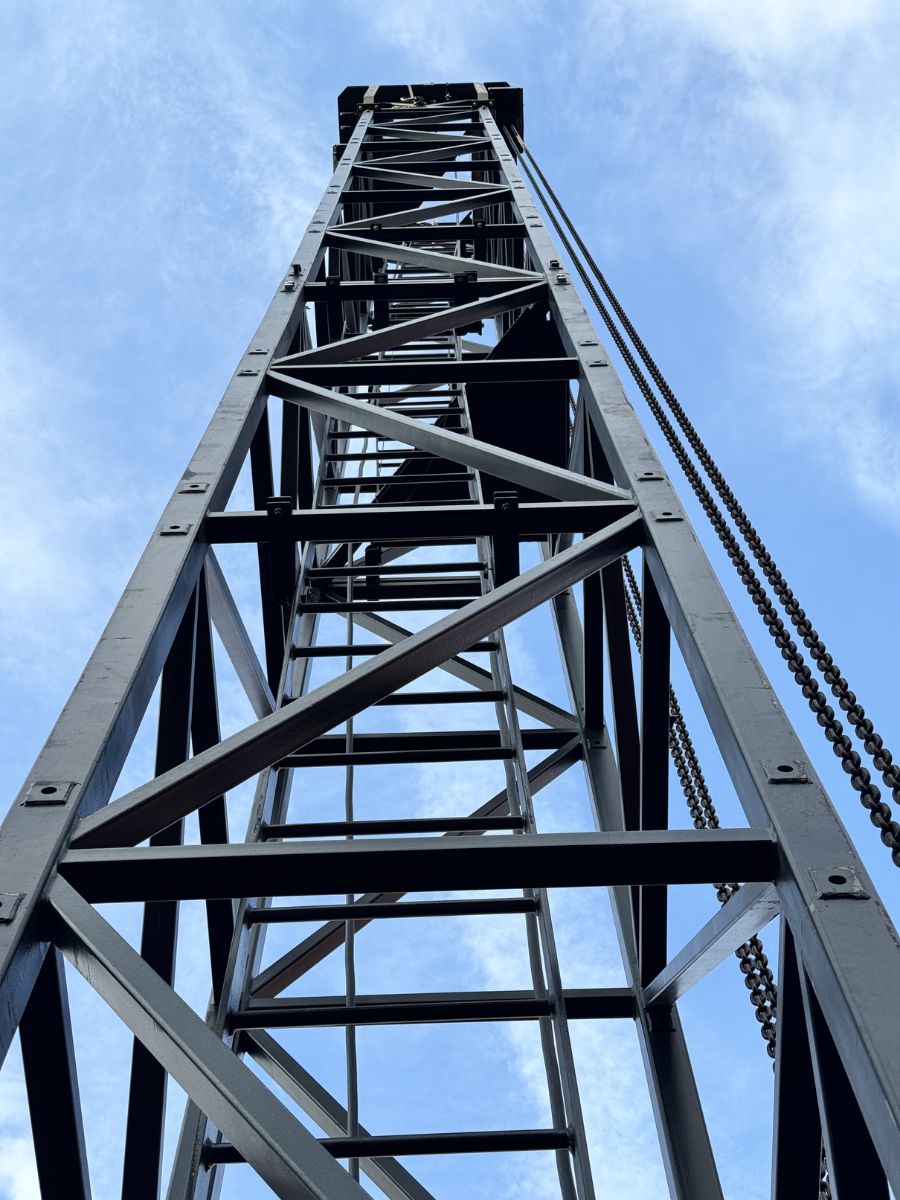
Aluminum truss is lightweight compared to steel, wood, or solid framing systems.
That makes it easier to:
- Transport in vehicles
- Handle or construct with a small number of people
- Install in a wide range of environments
- Reconfigure for other applications
But lightweight does not mean weak.
The strength of aluminum truss comes from:
- Its geometric shape
- Engineered connections
- Purpose-built alloys
This balance of strength and weight is why truss is used everywhere from touring shows to permanent installations.
It’s strong where it needs to be and efficient everywhere else.
From Rugged to Refined
Another often-missed benefit of aluminum truss is how it can look. Truss doesn’t have to feel industrial or temporary.
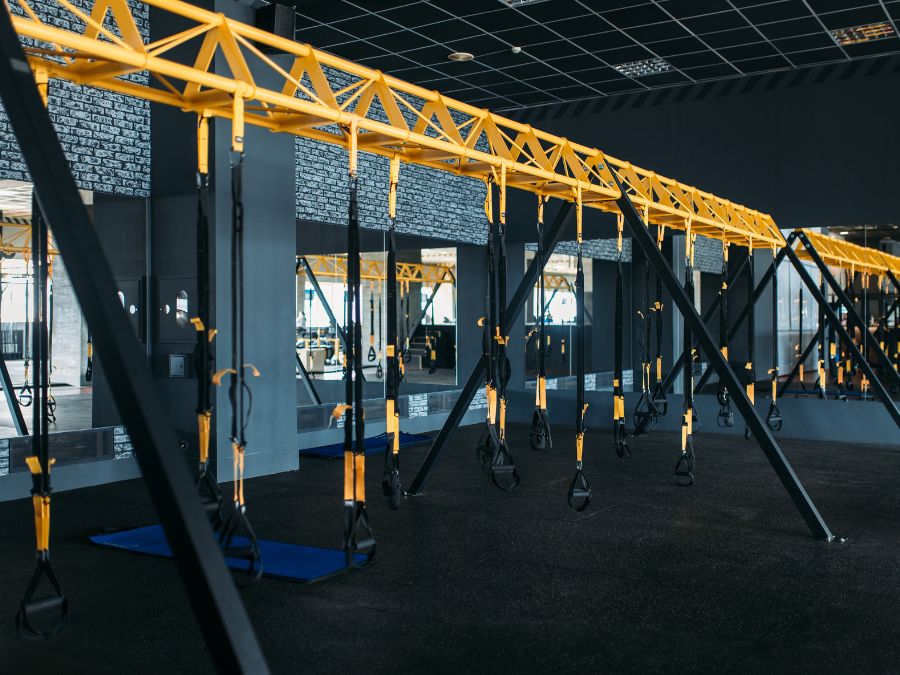
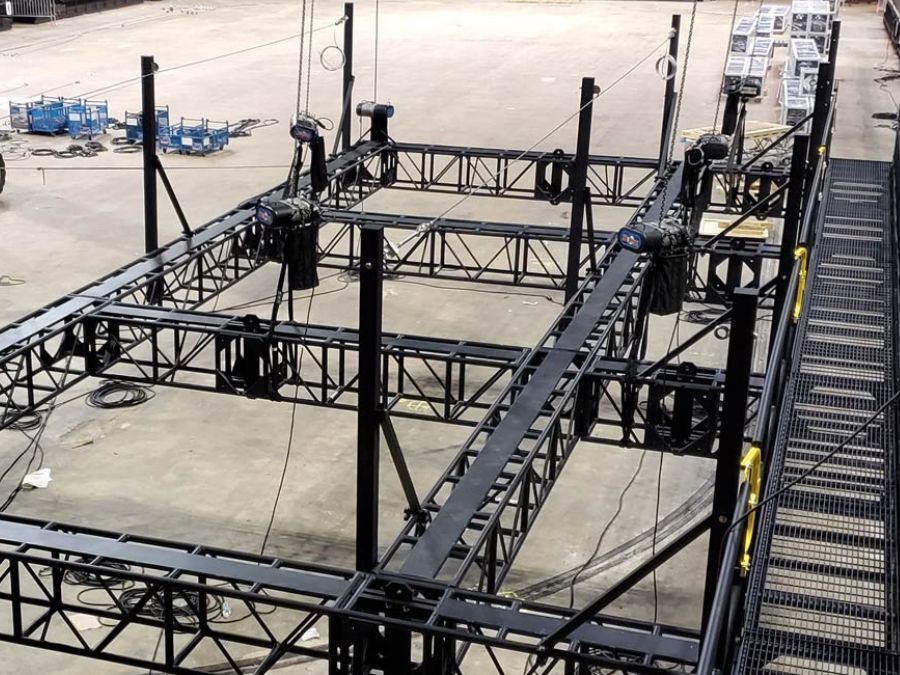
Exposed Geometry
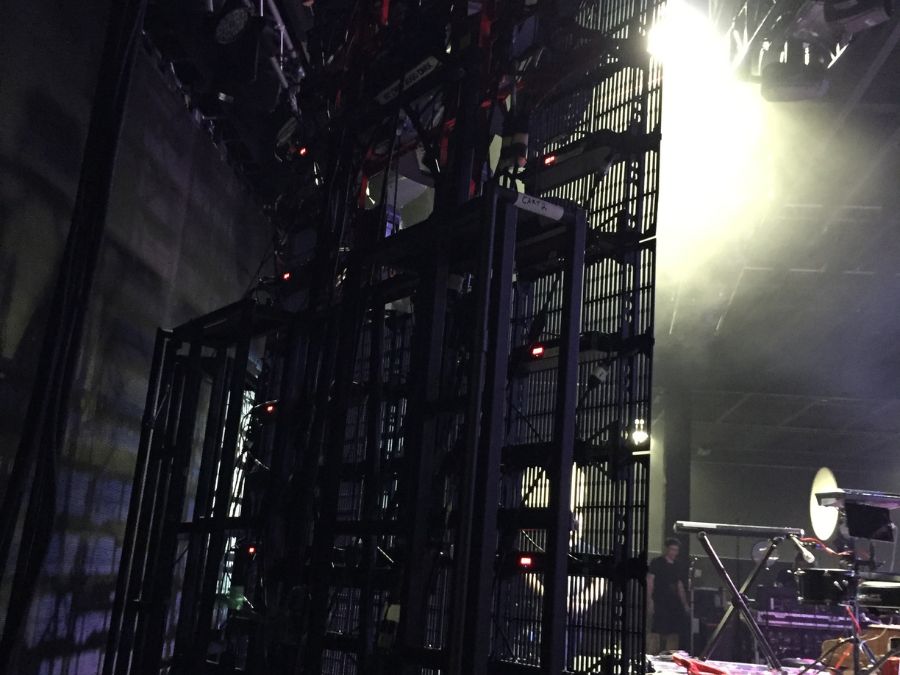
Depending on the application, aluminum truss can be left raw for a rugged industrial look, where the exposed geometry, welds, and structure become part of the design, making truss intentional, and visually strong in technical, architectural, or experiential spaces.
Examples include:
- Industrial and warehouse-style spaces
- Experiential installations and immersive environments
- Technical back-of-house or behind-the-scenes structures
- Permanent installations where structure is meant to be seen
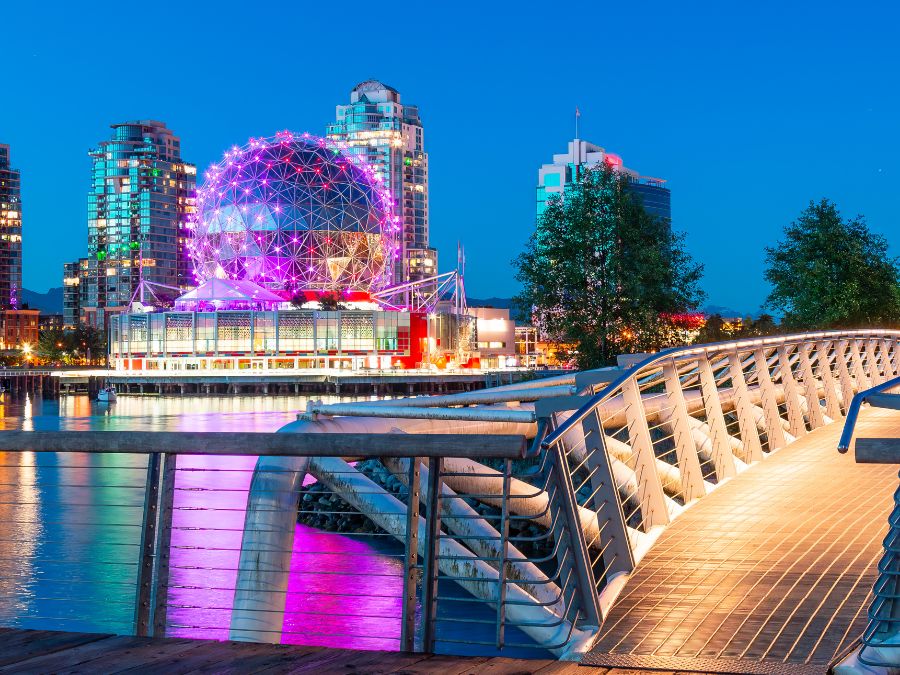
Modern Architectural Environments
Aluminum truss can also be cleaned up for modern architectural environments, where it supports lighting, displays, and devices while remaining visually light and minimal, allowing structure, function, and design to work together without overwhelming the space.
Examples include:
- Corporate interiors and office environments
- Museums, galleries, and cultural spaces
- Retail displays and showrooms
- Permanent architectural features
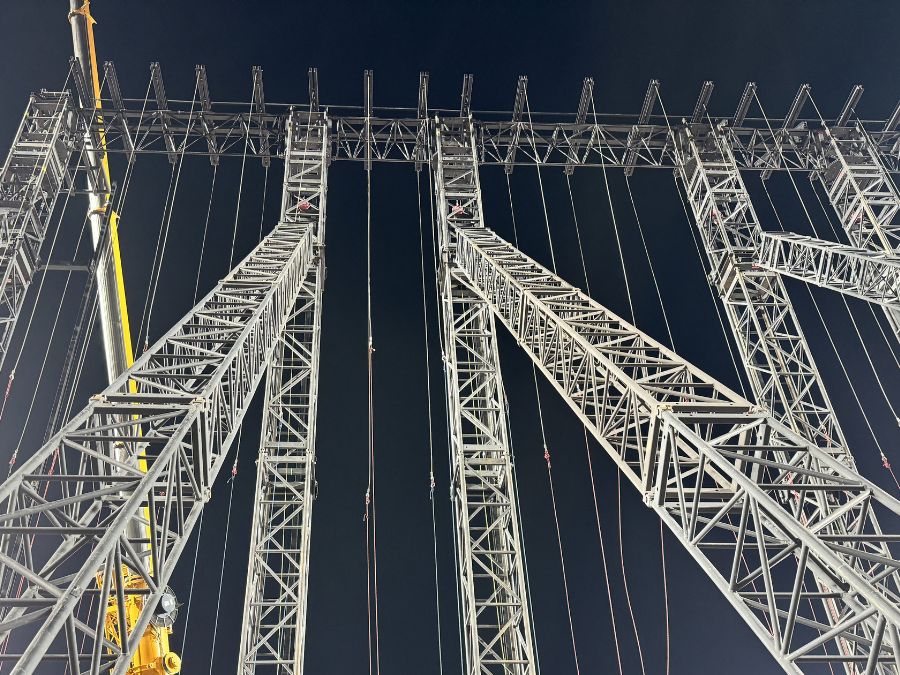
Deliberate Visual Element
For projects where appearance and branding matter, aluminum truss can be powder coated in almost any color, allowing truss to blend in, stand out, or match brand identity, turning a highly functional structural system into a deliberate visual element.
Examples include:
- Black or white truss that visually disappears
- Brand-matched truss for corporate or experiential spaces
- Bold colors used as focal points or accents
- High-end event and exhibition environments
Designed for Change
One of the most practical advantages of aluminum truss is how well it handles change.
If you need to:
- Add equipment later
- Move things around
- Re-aim lighting
- Re-route cables
- Expand the structure
Truss allows that without tearing everything apart.
Because equipment is typically clamped or rigged rather than permanently fixed, adjustments are faster and cleaner.
For projects where requirements evolve over time, aluminum truss is a future-friendly solution.
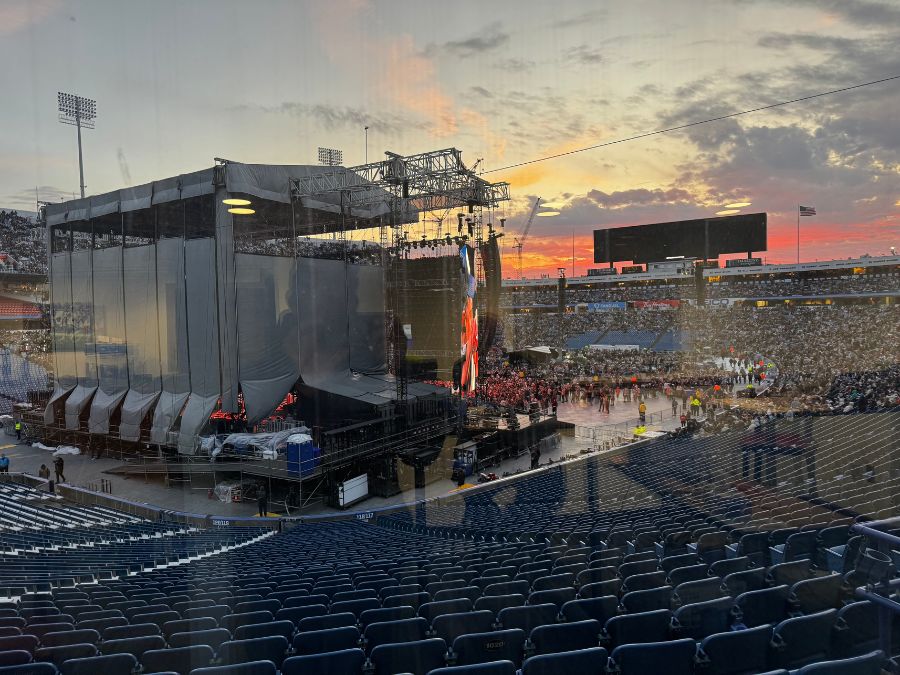
More Than Events
Yes, truss is everywhere in concerts and staging.
But it’s also used in:
- Permanent architectural installations
- Theme parks
- Retail displays
- Broadcast studios
- Industrial environments
- Motion and automation systems
- Exhibits and experiential spaces
Anywhere structure, access, and flexibility matter, aluminum truss becomes a serious and worthwhile option.
Many people don’t consider truss simply because they haven’t seen it outside of events.
Once they do, the question often shifts from “Why truss?” to “Why not truss?”

Seeing Truss Differently
Aluminum truss isn’t just something you hang lights from.
It’s a structural framework that combines:
- Strength through geometry
- Open space for mounting and rigging
- Modular flexibility
- Lightweight efficiency
- Visual adaptability
If your project needs structure and also needs options, aluminum truss may already be the solution you’re looking for.
Sometimes the most powerful systems are the ones hiding in plain sight.
TRUSS YOU CAN COUNT ON
Need Truss? Call Conder
Whether you’re upgrading an arena, building a new structure, or just need expert advice, Conder Truss is the team to call.
As the official East Coast distributor for XSF Truss, we bring tested, proven systems to jobs of every size and we install what they sell.
With 100% USA-made truss and full test-fit procedures at XSF’s Texas facility, you’ll never have to worry about things not lining up on-site.
- Premier East Coast Distributor for XSF Truss
- 25+ Years of Industry Experience
- High-Quality Equipment & Rigging Parts
- Custom Solutions Tailored to Your Project
- Consistent, Open Communication with Every Client