
7 Common Mistakes When Specifying Aluminum Truss for Live Events
Technical Team, Conder Truss | Last Updated: May 2026
The most common mistakes when specifying aluminum truss for live events are using total weight instead of actual load placement, relying on span tables without enough engineering context, mixing incompatible hardware and treating truss as a commodity rather than a structural component. Specify correctly by matching truss type to actual point loads, accounting for dynamic load factors, and confirming hardware compatibility across all connections before any gear ships to site.
Quick Decision Guide
| Situation | Common Mistake | Correct Approach |
|---|---|---|
| Long spans over 20 ft | Using undersized truss based on static weight alone | Apply dynamic load factors; consult span tables with point load positions |
| Mixing truss from different suppliers | Assuming 12" square is 12" square | Confirm bolt circle, tube diameter, and connector compatibility before ordering |
| Outdoor festival ground support | Skipping wind load calculations | Engineer for wind uplift, lateral forces, ballast, and site condition |
| Tradeshow or corporate event | Over-specifying to "be safe" | Match truss size to actual load; over-spec adds cost and shipping weight unnecessarily |
| Rigging heavy fixtures | Distributing load evenly across the span | Keep heavier point loads closer to support points, not concentrated at mid-span |
Key Takeaways
- Span tables are not load calculators. They tell you maximum capacity under ideal conditions, not real-world distributed or point load scenarios specific to your rig.
- Dynamic loads change everything. Moving lights, vibrating speakers, and wind all introduce forces well beyond the static weight listed on a spec sheet.
- Hardware compatibility is non-negotiable. Mismatched conical connectors, bolt circles, or spigot sizes can create structural failure points even when the truss itself is correctly sized.
- Ground support is a separate engineering problem. Many specifiers get the truss right and the base plate, outrigger, and ballast calculations wrong.
- USA-manufactured truss with documented QC is not the same as imported alternatives. Dimensional tolerances, alloy grades, and weld quality vary significantly and affect load ratings in practice.
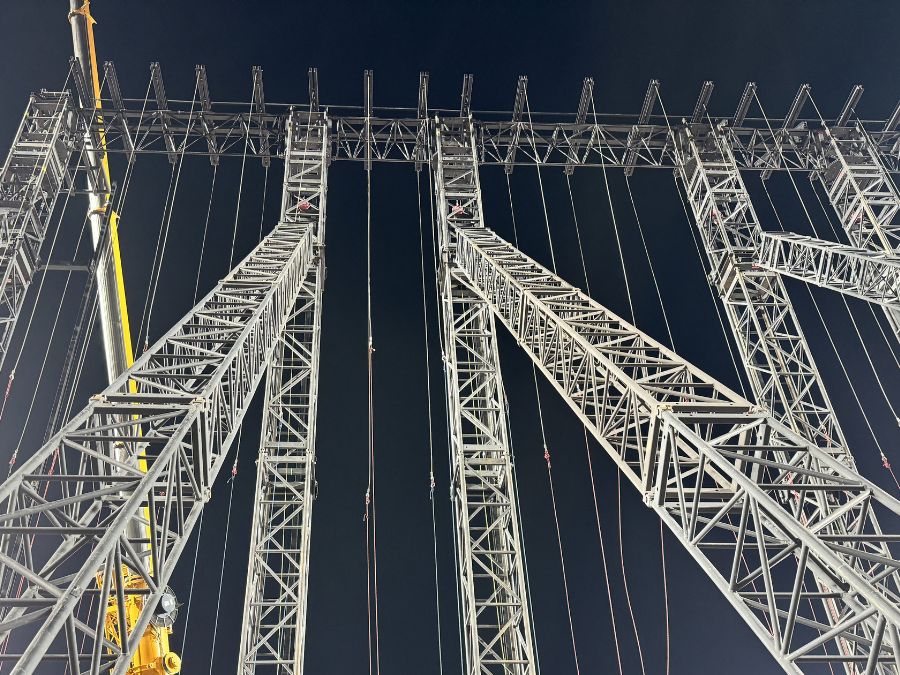
7 Common Mistakes in Detail
Mistake 1: Reading Span Tables Without Understanding Load Position
Span tables show maximum uniform distributed load or maximum center-point load, rarely both in the same scenario. When you hang a cluster of moving heads at one-third span and a speaker array at mid-span, you are not in a standard span table condition. Model your actual load positions using load calculation software or a structural consultant who understands live event rigging, not just building codes.
Mistake 2: Ignoring Dynamic Load Multipliers
Static weight is only the starting point. Moving lights, speaker arrays, hoists, wind, vibration, and repeated movement can all change how force is applied to the truss. A rig that looks fine based on equipment weight alone may not be fine once those forces are included. Account for movement, vibration, wind exposure, hoist forces, and any other conditions that change how the load behaves. If the correct factor is not already defined for the application, have the engineer confirm it before the spec is finalized.
Mistake 3: Treating All Aluminum Truss as Interchangeable
A 12-inch square truss from one manufacturer is not the same as a 12-inch square truss from another. Tube wall thickness, alloy grade (6061-T6 vs. lesser grades), weld quality, and connector geometry all differ. Mixing products from different manufacturers on the same rig creates unknown connection conditions. Specify by manufacturer and product line, not just by nominal dimension. The XSF truss we supply is manufactured in the USA with documented alloy and dimensional standards, which means the load ratings are based on real tested product, not approximated specs.
Mistake 4: Under-Specifying Connection Hardware
Truss selection gets careful attention. The corner blocks, base plates, half-couplers, and conical connectors often do not. A correctly sized truss span connected with worn or mismatched hardware is a structural problem waiting to happen. Specify hardware as part of the structural assembly, not as an afterthought. Confirm that all connection components are rated, compatible, and sourced from the same system as the truss.
Mistake 5: Skipping Engineer Review on Ground Support
Ground support systems for outdoor events are subject to wind loads, uneven terrain, and crowd proximity, none of which appear in a standard indoor rigging calculation. Many specifiers apply indoor ground support logic to outdoor festivals and end up with structures that are undersized for the actual environment. Have a licensed structural engineer review any outdoor ground support configuration. Ballast calculations, outrigger geometry, and tie-back requirements should be documented, not estimated.
Mistake 6: Over-Specifying "just to Be Safe"
Over-specifying truss adds weight, shipping cost, and labor time. A 20.5-inch box truss is not automatically safer than a correctly specified 12-inch truss for a given span and load. If the calculation says 12-inch truss is correct for the span, load, and safety factors, moving to a larger truss does not automatically make the system safer. It may just add weight, cost, shipping, and labor. Size to your actual load with the correct safety factor applied. Work with a supplier who can help you match truss type to application rather than defaulting to the largest available product.
Mistake 7: Not Confirming Qc Documentation Before Purchase
Load ratings printed in a catalog only mean something if the manufacturing process backs them up. Truss produced without consistent QC, documented alloy certification, or dimensional tolerances may not perform to its published specs under real load conditions. Ask for QC documentation. XSF's 9-stage quality control process covers material inspection through final dimensional verification, and that documentation is available to Conder customers. If a supplier cannot provide it, that is information worth having before you spec the product.
Concrete Examples
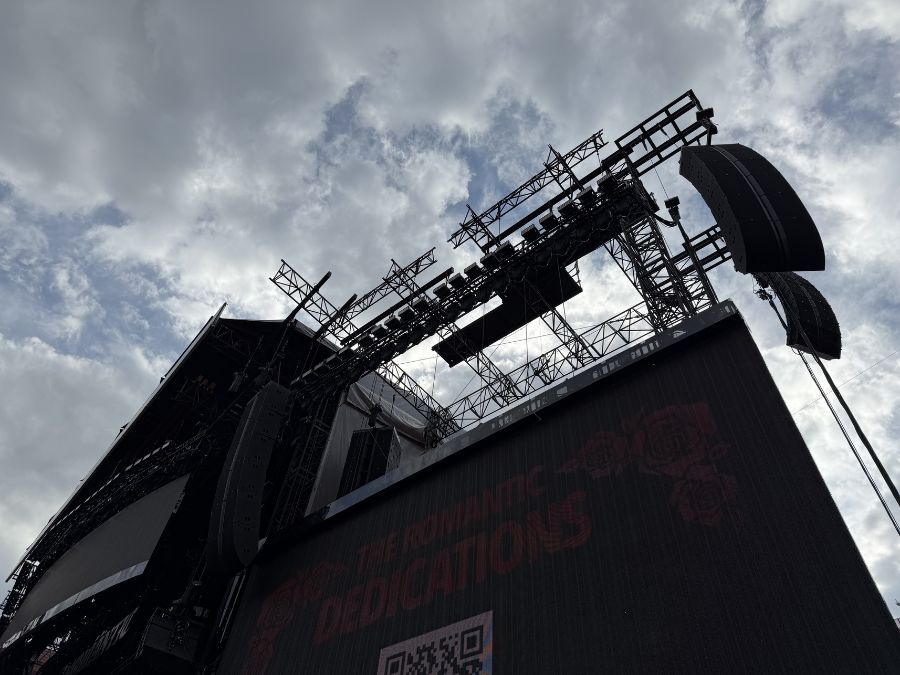
Example 1: Festival Main Stage Ground Support
A production company specifies truss size correctly but uses generic ballast estimates from a previous indoor show. On-site, wind load on the PA wings exceeds the ballast weight. Correct approach: commission a site-specific wind load study and engineer the ballast to match, accounting for the actual speaker cabinet surface area.
Example 2: Corporate Event Ceiling Grid
An AV integrator spec'd 10-meter spans of 12-inch truss for a hotel ballroom grid and positioned all lighting fixtures at mid-span to keep the rig symmetric. Mid-span loading maximizes bending stress. Correct approach: don't place all the heavy fixtures in the middle of the span just because it looks balanced. Check where the weight actually sits on the truss, where the support points are, and whether that span can safely handle the load.
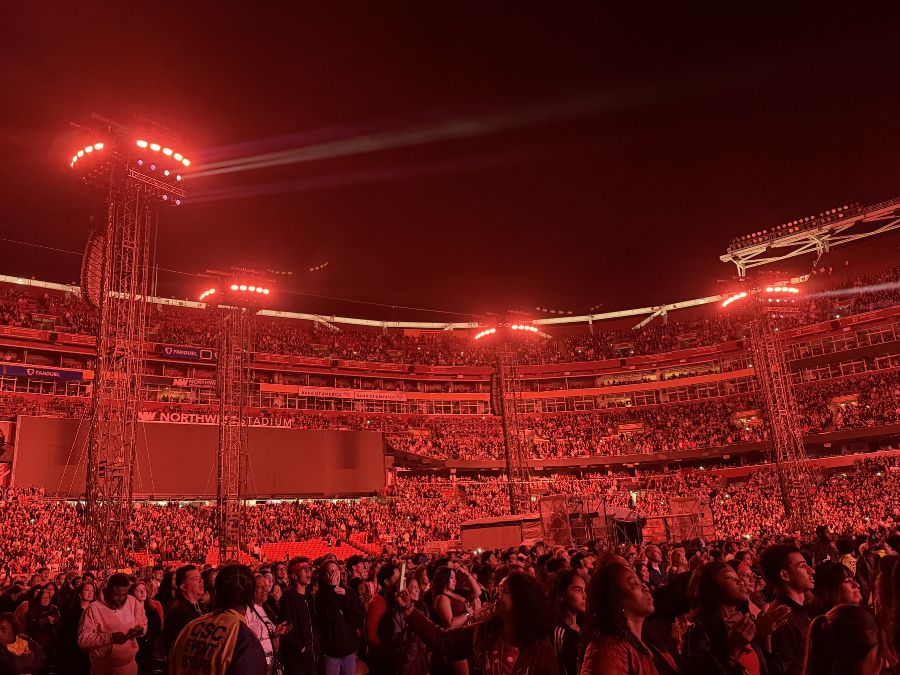
Example 3: Tradeshow Backwall Structure
A rental house uses 20.5-inch box truss for a 10-foot backwall display because it was available on the shelf. The structure is overbuilt by a factor of four, adding unnecessary weight and floor loading. Correct approach: spec a smaller section truss appropriate to the actual load, which reduces shipping cost and simplifies on-site assembly.
Example 4: Mixed-Manufacturer Rig
A touring production inherits a rig with truss from two different manufacturers connected mid-span using generic spigots. The spigot OD does not match one manufacturer's chord tube ID, creating a connection that relies on friction rather than geometry. Correct approach: specify the entire rig from a single product line, or have an engineer review and certify any mixed-manufacturer connection before the tour leaves the shop.
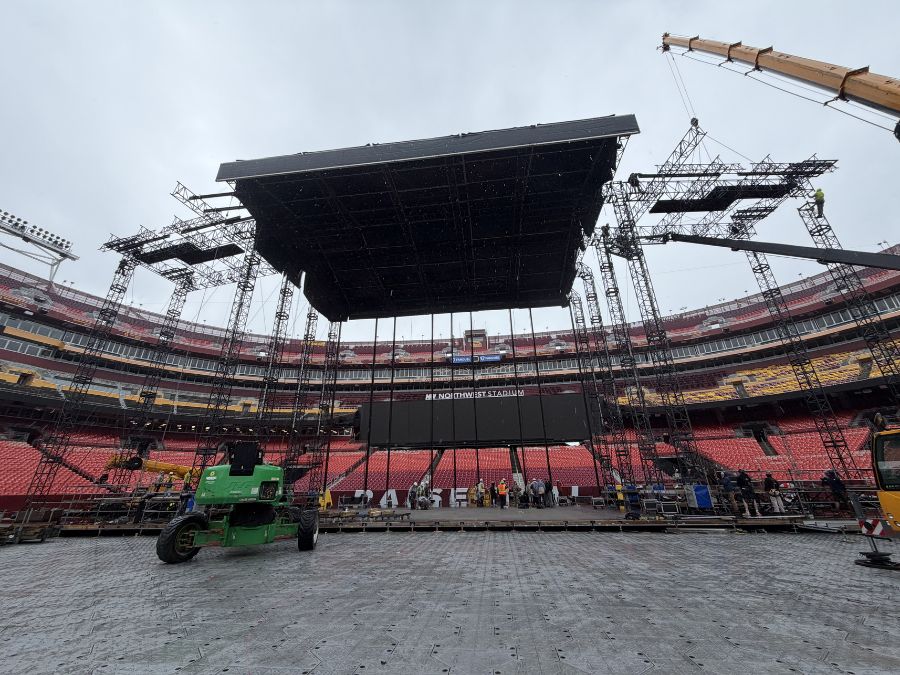
Example 5: Outdoor Amphitheater Delay Tower
A company builds delay towers using the same ground support configuration it uses indoors. The towers are correctly sized for the speaker load but have no lateral bracing rated for wind. Correct approach: outdoor delay towers require engineered lateral bracing, ballast, or guy-wire systems based on local wind speed data and the actual exposed surface area of the array.
Specification Mistakes Usually Start Before the Order Does
What Trips People Up
Most truss specification problems are not caused by the product itself. They happen during planning.
A spec gets built around total fixture weight instead of actual load placement. Span tables are read without considering the real application. Hardware gets mixed because the dimensions look close enough. Outdoor conditions get treated like indoor builds. None of those mistakes look obvious until the structure has to perform.
How Conder Truss Helps
Conder Truss works with production companies, integrators, and event teams that need the right structural solution, not just available inventory. If you are dealing with long spans, overhead loads, mixed hardware, outdoor ground support, or custom requirements, we can help you work through the specification before product is ordered and gear arrives on-site.
Getting to the Right Decision
The right truss specification is not just about choosing a size. It is about understanding where the load sits, how the structure connects, and what conditions it will actually face during use. If there is uncertainty, resolve it before the order is placed. Fixing a specification issue during planning is far easier than solving one once the build has started.
Frequently Asked Questions
What is the most common truss specification mistake on live events?
The single most common mistake is specifying truss based on total weight rather than load position and load type. A rig where 80% of the weight is concentrated at mid-span behaves very differently from one with the same total weight distributed evenly, and most span tables do not account for that directly.
Do I need an engineer to specify truss for a small event?
For small events with simple configurations, a knowledgeable rigging professional with current certification can often handle specification. Once you introduce ground support, outdoor conditions, long spans, or complex load combinations, a licensed structural engineer familiar with temporary structures is the appropriate resource.
Is 6061-T6 aluminum the correct alloy for structural truss?
6061-T6 is commonly used for structural aluminum truss in live events. It offers the yield strength and weldability required for load-bearing applications. Some lower-cost imported products use lesser alloys that may not reach the published load ratings under sustained or dynamic loading, which is one reason alloy documentation matters.
Can you mix truss from different manufacturers on the same rig?
In most cases this creates unknown connection conditions that are difficult to engineer and certify. If you need to mix products, have a structural engineer review the specific connection geometry and certify the interface before the rig goes up. Do not assume compatibility based on nominal dimensions.
What is a dynamic load factor and why does it matter for truss specification?
A dynamic load factor is a multiplier applied to static load to account for forces introduced by movement, vibration, and impact. Moving lights, wind, and speaker vibration all introduce loads above the static weight. Without applying the correct factor, a rig that appears within capacity on paper may be stressed beyond its rating in operation.
How do I know if my truss has proper quality documentation?
Ask the manufacturer or distributor for material certifications, dimensional test records, and weld inspection documentation. A reputable manufacturer will have these available. XSF's 9-stage QC process produces documentation at each stage, which is part of why the XSF truss we supply carries load ratings you can rely on.
What is the difference between ground support for indoor versus outdoor events?
Indoor ground support primarily deals with vertical loads from the rigged equipment. Outdoor ground support must also resist wind uplift, lateral forces, and the effects of uneven or soft ground. Ballast requirements, outrigger geometry, and bracing are all significantly different, and the calculations should be site-specific rather than carried over from indoor configurations.
When should I consult Conder Truss directly during the specification process?
Contact Conder early, particularly when you are working with long spans, complex load distributions, outdoor ground support, or custom fabrication requirements. We provide technical consulting as part of how we work with production companies and integrators, not as an add-on service. Getting the specification right before orders are placed is considerably less expensive than correcting it on-site.
TRUSS YOU CAN COUNT ON
Need Truss? Call Conder Truss
Whether you're upgrading an arena, building a new structure, or just need expert advice, Conder Truss is the team to call.
As the official East Coast distributor for XSF Truss, we bring tested, proven systems to jobs of every size and we install what they sell.
With 100% USA-made truss and full test-fit procedures at XSF’s Texas facility, you’ll never have to worry about things not lining up on-site.
- Premier East Coast Distributor for XSF Truss
- 25+ Years of Industry Experience
- High-Quality Equipment & Rigging Parts
- Custom Solutions Tailored to Your Project
- Consistent, Open Communication with Every Client